Alo Treats Hong Kong Stores as the Marketing Budget
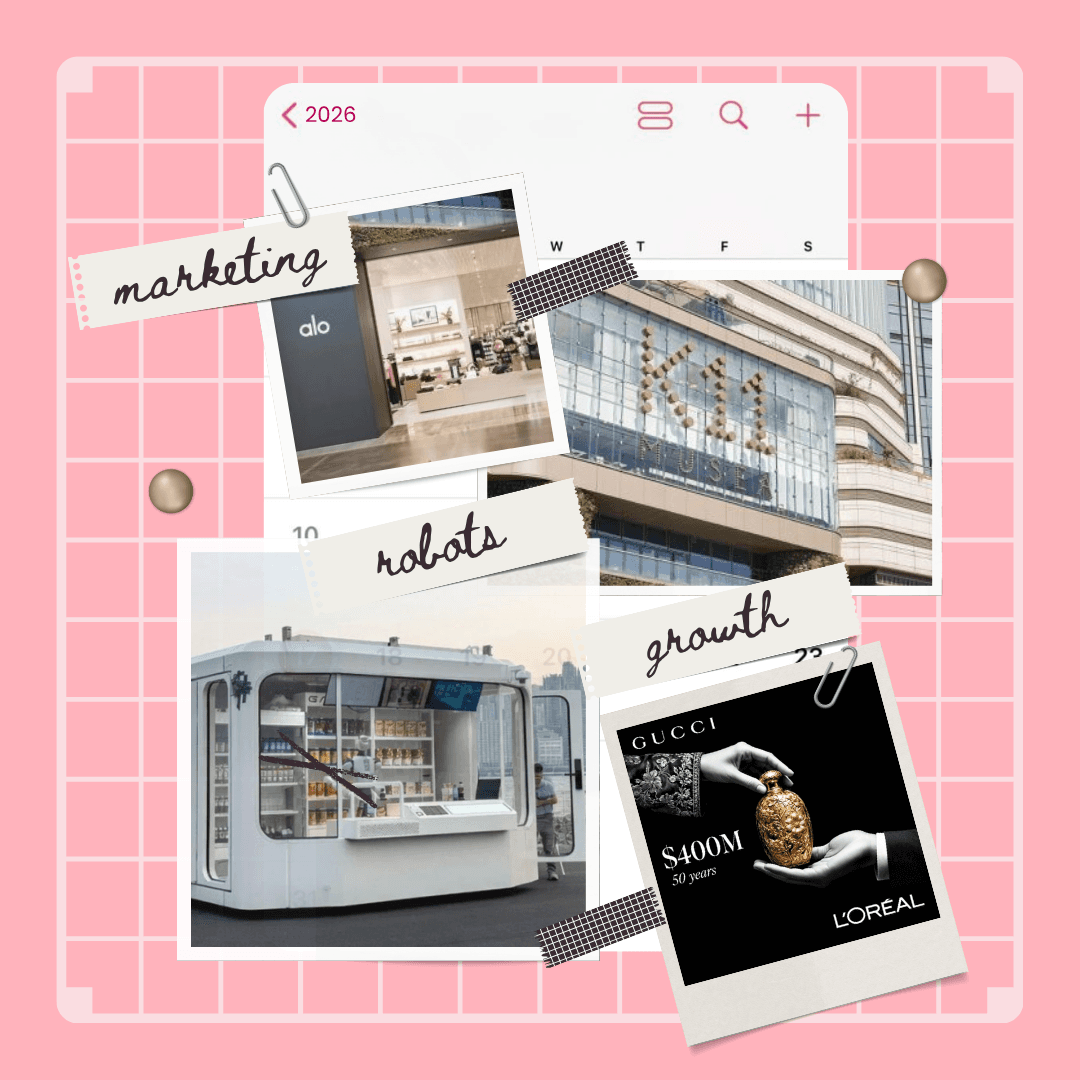
Alo announced a second Hong Kong store in Causeway Bay before its 7,000 sq ft K11 Musea flagship has even opened, at a reported HK$700,000 monthly rent. The stores function as media buys: mainland tourist traffic builds future demand for mainland China expansion, while multiple locations create more presence and word-of-mouth. For a brand near $2B in revenue, the cost is manageable. Presence first, profit later; the same path lululemon took, with the harder test of surviving scale still ahead.
L’Oréal’s $400M Bet on Gucci Beauty
L’Oréal is paying $400M for a 50-year Gucci Beauty license on a brand Chinese consumers currently rank closer to Coach than Chanel. Eleven quarters of sales decline and an awkward mid-prestige position won’t vanish with new ownership, and Chinese Gen Z is already shifting toward local brands built on tea culture and regional identity. L’Oréal’s deep local infrastructure, R&D, and growth while peers contract give it the best shot at the repair job. The first five years in China will be brutal.
Hong Kong Opens a Staff-Free Robot Convenience Store
Hong Kong has opened a 24/7 convenience store run entirely by a robot with no staff. The move matches the numbers: F&B and retail have lost 35,000 workers since 2017, with a projected shortfall of 180,000 by 2028, and one in three residents will be over 65 by 2046. The city is investing heavily in AI, yet the harder question remains what happens to older and lower-skilled workers the automation leaves behind.